
The Crossroads of Indian Democracy: Power, Dissent, and the Silent Crisis
- Post By PoliticIndia.com on
- 22/Dec/2025
Khagendra Kumar
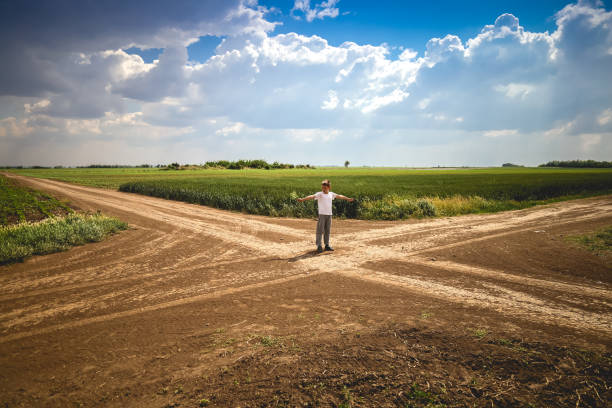
The current landscape of Indian democracy presents a striking paradox. On one hand, we see a government led by a Prime Minister whose global presence is unmatched, characterized by frequent international tours and a strong mandate. On the other, we witness a vibrant Leader of Opposition—erudite, deeply connected to his political legacy, yet choosing a path of grassroots connection. Dressed as an ordinary youth, he mingles with the masses, raising concerns about the widening chasm between the elite and the impoverished.
However, beneath this veneer of political activity lies a disturbing trend. Indian democracy is navigating a phase of high intolerance. The establishment's command over mainstream media has created an environment where the voices of the intelligentsia, social activists, and farmers are often drowned out or systematically harassed.
The invisibility of the Poor- While high-profile summits dominate the headlines, the struggles of the poor for land and livelihood remain largely ignored. Land management today seems tilted in favour of big business houses. Fertile lands and ancient mountains—the bedrock of rural livelihoods—are being repurposed for industrial interests without genuine public consultation.
The Cost of Silence-The recent detention of activist Sonam Wangchuk serves as a stark reminder of the risks faced by those who dare to speak truth to power. When environmental conservation, such as the struggle for the Aravalli hills, is treated as non-news by mainstream outlets, the democratic fabric weakens. Social media has become the last refuge for reality, flooded with the songs and appeals of those trying to save our Treasure of Life.
Democracy cannot breathe in an environment of fear. It requires the courage of people's movements—much like the KSSP in Kerala—to remind the state that the land belongs to the people, not the highest bidder.
BLOG
Saving University Autonomy: Why Teachers Must Act Without Sacrificing the Classroom
Read More
Saving University Autonomy: Why Teachers Must Act Without Sacrificing the Classroom
Read More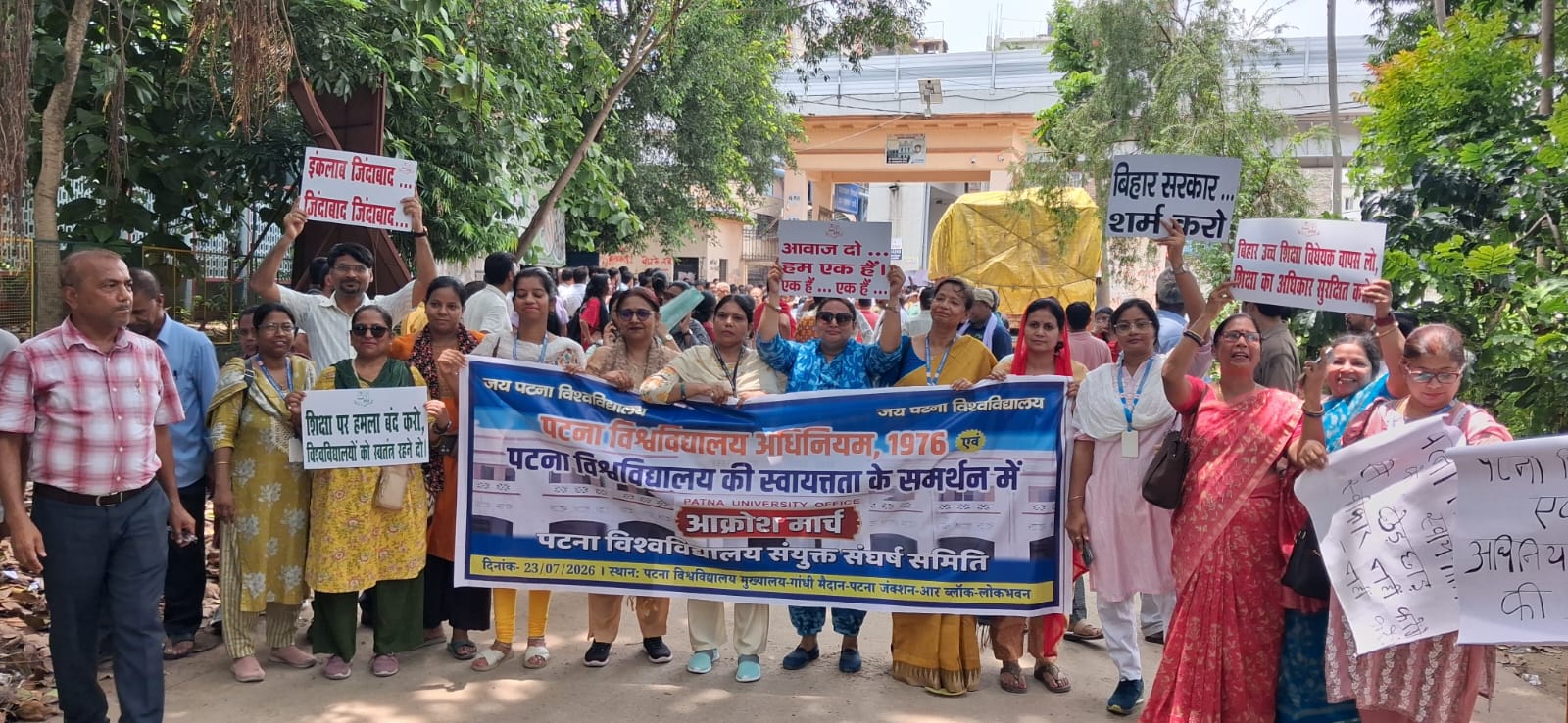
उच्च शिक्षा, स्वायत्तता और नौकरशाही का अतिक्रमण: प.वि.वि. के संदर्भ में एक गंभीर आत्ममंथन
Read More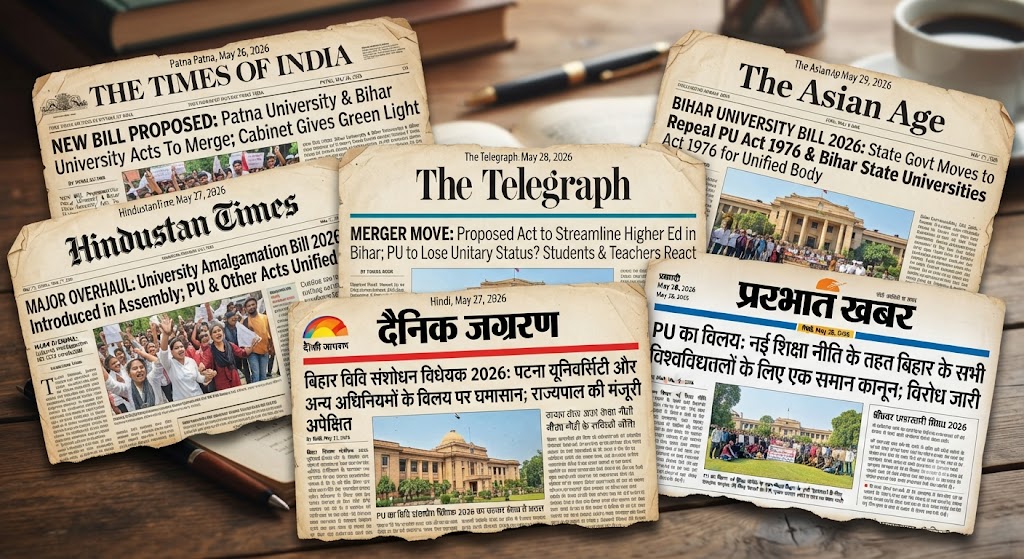
The Perils of Bureaucratization in Higher Education of Bihar
Read More
The Erosion of University Autonomy: A Call for Consultative Governance in Higher Education Institutions of Bihar
Read More